
Why do poor performers get promoted?
It’s a question I get asked often, by frontline leaders and executive teams alike.
And while there are a few reasons, one stands out to me as the most common (and most damaging): leaders avoiding difficult conversations.
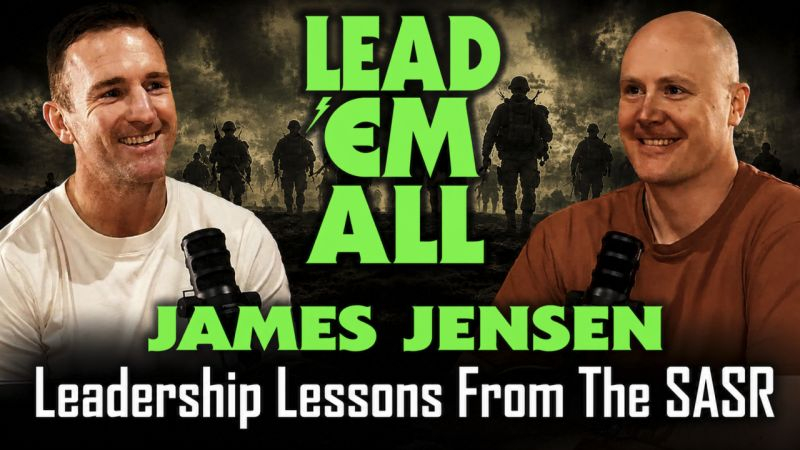
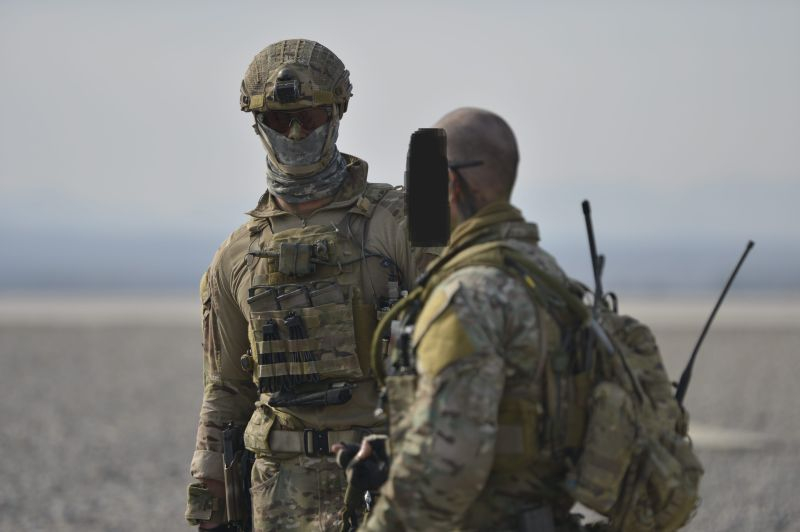
I saw this frequently in the military. When someone was underperforming or becoming a burden to a unit, instead of having the tough conversation, they were often “promoted out” or quietly moved into a softer role.
It’s often framed as a positive for the individual and comes with a pay rise. The underperformer walks away happy believing they’ve been rewarded. The leader walks away relieved, having dodged an uncomfortable conversation.
But here’s what they miss:
- The team left behind feels frustrated and undervalued.
- Standards quietly drop because poor performance is rewarded.
- High performers pick up the slack…and start looking elsewhere.
- And the person who needs feedback never gets a chance to improve.
This isn’t just a leadership challenge; it’s a culture killer.
When avoidance becomes normal, performance standards drop, top talent disengages, and accountability disappears.
Leaders need the confidence, skillset and mindset to have honest, respectful conversations. Not to punish, but to coach, align expectations, and give people a real chance to grow.
Accountability without clarity creates fear. But clarity without accountability just feels like lip service.
If you want a leadership culture that drives high performance, it starts with courageous conversations.