I've always had a fear of heights.
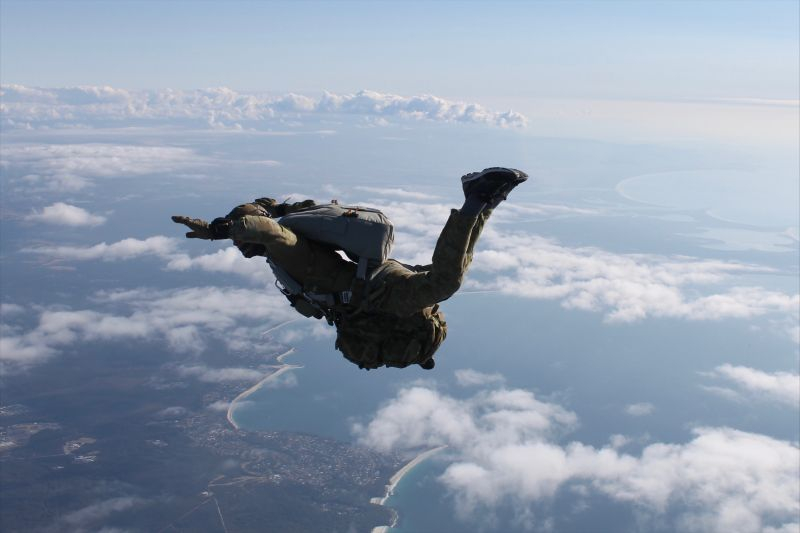
Despite this, I ended my military career leading one of the SASR's Military Free Fall teams.
While sitting in the plane waiting to jump, my heart rate would be through the roof. I'd fixate on the jump, not be able to plan and process new information, and become very reactive.
Box breathing became my best friend.
Something as simple as repeatedly inhaling for four seconds, holding for four, exhaling for four, and holding for four, kept my fight or flight response to a level that I could still do my job. This also worked in combat.
The fear didn't disappear, but I learned to manage it.
It’s a tool that I used and use every day. When I’m presenting or in an important meeting I can box breath and no one knows. If I need to regulate anger or frustration during interpersonal conflict, it’s still my go to.
Box breathing is one of many tools that enable us to regulate our emotions.
Emotional regulation is a crucial skill of leadership, and an inability to self-regulate often results in leaders under performing, or damaging relationships or projects.
Among many other things, self-regulation leads to:
- Improved Decision-Making: Self-regulation enables clear-headed decisions, even under pressure preventing impulsive reactions.
- Enhanced Collaboration: Self-regulation enables leaders to avoid damaging interactions that can occur during moments of anger or frustration.
- Increased Trust and Respect: Employees are more likely to follow and support a leader who remains calm and composed, even in challenging situations.
In high-stress environments, whether on a battlefield or in a boardroom, the ability to regulate emotions is a defining trait of effective leadership.
It’s not about not feeling fear, anger or stress, but about managing those emotions so you can lead with clarity and confidence.